
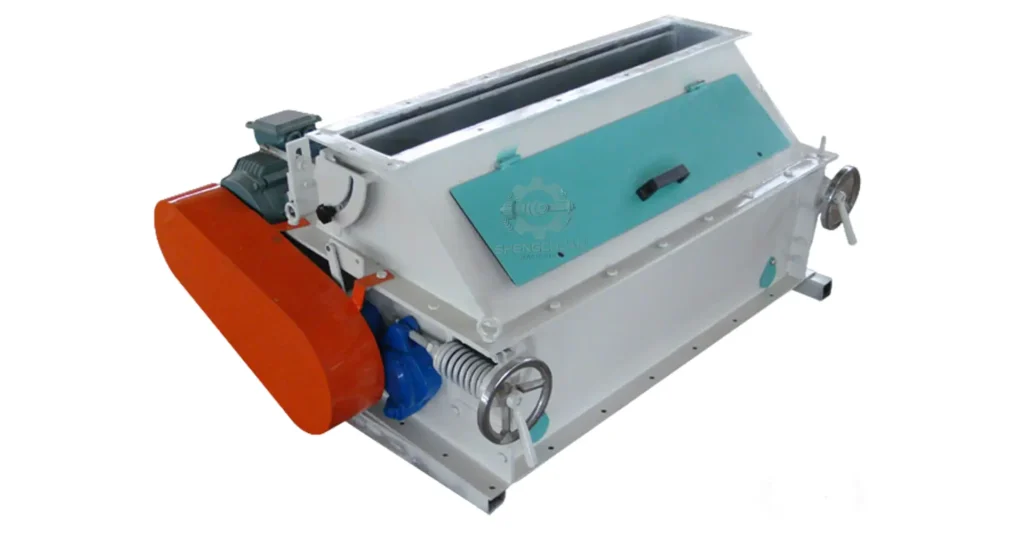
If you’re running a farm, feed mill, or livestock operation, a feed crusher machine is a must-have tool for producing high-quality animal feed. But do you know how this essential equipment works? In this quick guide, we’ll break down the core working principle of a feed grinder, its key types, and what makes it critical for efficient feeding—perfect for anyone looking to optimize their feed processing.
What Is a Feed Crusher (Feed Grinder)?
A feed crusher (also called a grain crusher or fodder crushing machine) is a mechanical device that reduces raw feed materials into small, uniform particles. It’s used to process common feed ingredients like corn, wheat, soybean, straw, grass, and bran—making them easier for poultry, pigs, cattle, and fish to digest.
Core Working Principle of a Feed Crusher Machine
All quality feed grinders follow a simple, effective process: mechanical impact + shear force to break down solid materials. Here’s how it works in 4 easy steps:
- Feeding: Raw materials (grain, straw, etc.) are fed into the crushing chamber via a hopper or conveyor—no complicated setup needed.
- Crushing: Inside the chamber, a high-speed rotating rotor (with hammers, blades, or teeth) hits, cuts, or grinds the material. This uses impact force for brittle grains (like corn) and shear force for fibrous materials (like straw).
- Screening: A screen at the bottom of the chamber filters particles. Only particles small enough to pass through the screen are discharged—larger pieces stay to be re-crushed.
- Discharging: The finished crushed feed exits the machine, ready for mixing, pelleting, or direct feeding to your livestock.
Common Types of Feed Crushers
Different feed crusher machines are designed for different materials—choose the right one for your needs:
- Hammer Mill Feed Crusher (Most Popular): Uses high-speed hammers to shatter grains like corn and wheat. Perfect for a corn crushing machine or grain-focused operations. Advantage: High output, uniform particles.
- Claw/Tooth Feed Grinder: Uses claw-shaped teeth to shear fibrous materials (straw, hay, cassava). Ideal for tough, stringy feed.
- Blade Feed Crusher: Combines cutting and crushing for wet or fresh materials (green grass, vegetable waste). Great for farms with fresh fodder.
Key Tips for Optimizing Your Feed Crusher
To get the most out of your feed crusher machine, keep these in mind: Adjust the screen size for your desired particle size, control feed rate to avoid clogging, and check wear parts (hammers, blades) regularly—this ensures consistent performance and longer machine life.
Why a Quality Feed Grinder Matters
A reliable feed crusher saves labor, reduces feed waste, and improves animal digestibility—all of which lower your feeding costs. Whether you have a small family farm or a medium feed mill, the right feed grinder keeps your operation running smoothly.
Ready to find the perfect feed crusher machine for your needs? Contact us today for personalized recommendations!