
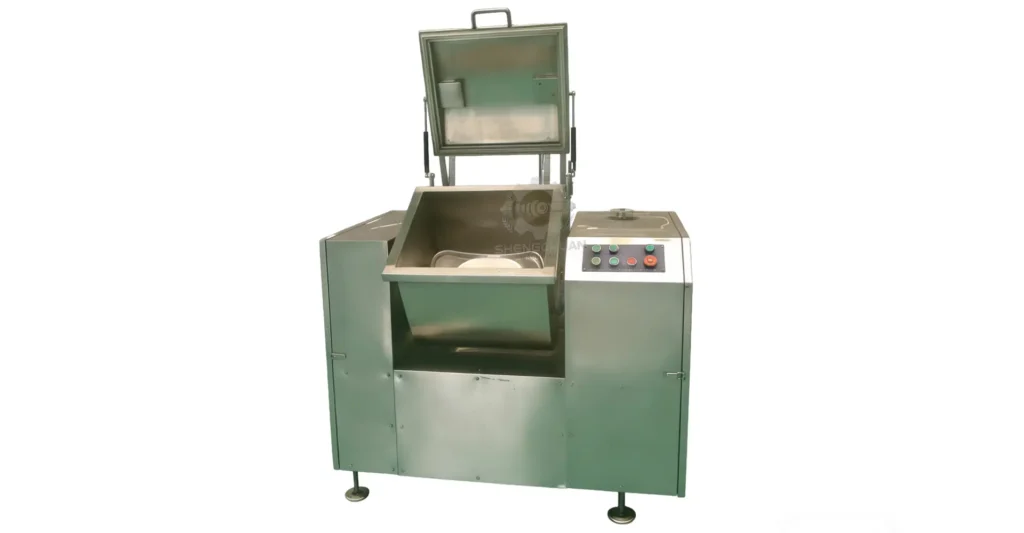
When selecting a suitable dough mixing and kneading machine, buyers should evaluate the following key factors to ensure high efficiency, durability, and cost-effectiveness for bakery, food factory, catering, and commercial production.
- Production Capacity & OutputChoose according to daily dough output, from small tabletop models (5–25 kg) to medium and large industrial machines (50–200 kg or higher). Overcapacity causes energy waste, while insufficient capacity limits production.
- Dough Type & ApplicationDifferent doughs require different mixing structures:
- Spiral mixers: ideal for bread, toast, pizza dough
- Horizontal mixers: better for tough dough, pastry, pasta, buns
- Planetary mixers: suitable for cake, cream, fillings and light dough
- Motor Power & PerformanceHigh-power copper motor ensures stable running, strong torque, low noise, and long service life. Overload protection prevents burnout under heavy load.
- Material & Hygiene StandardFood-grade 304 stainless steel bowl, body, and blades are essential for food safety, easy cleaning, corrosion resistance, and compliance with food processing regulations.
- Mixing Speed & Control SystemVariable speed control supports slow mixing, fast kneading, and timing functions to achieve ideal gluten development without over-kneading.
- Machine Structure & DurabilityReinforced frame, wear-resistant gears, and sealed bearings extend service life. Easy disassembly design reduces maintenance difficulty.
- Size & Installation SpaceMeasure workshop space to choose vertical or horizontal models. Portable small machines suit shops; fixed large machines fit industrial production lines.
- Energy Efficiency & Power SupplyConfirm voltage (220V/380V/415V) according to local power grid. Energy-saving design reduces long-term operating cost.
- Brand, After-Sales & WarrantyReliable manufacturers provide stable quality, spare parts supply, installation guidance, and after-sales service.
- Budget & Cost PerformanceBalance initial purchase cost with durability, output, and maintenance cost. High-quality machines reduce failure rate and total cost of ownership.