Global Solutions for the Food Industry

1. Pre-Operation Preparation


1.1 Equipment Inspection

 
  • Check the power supply: ensure 3~380V three-phase power is properly connected, grounded safely, and no electrical leakage.
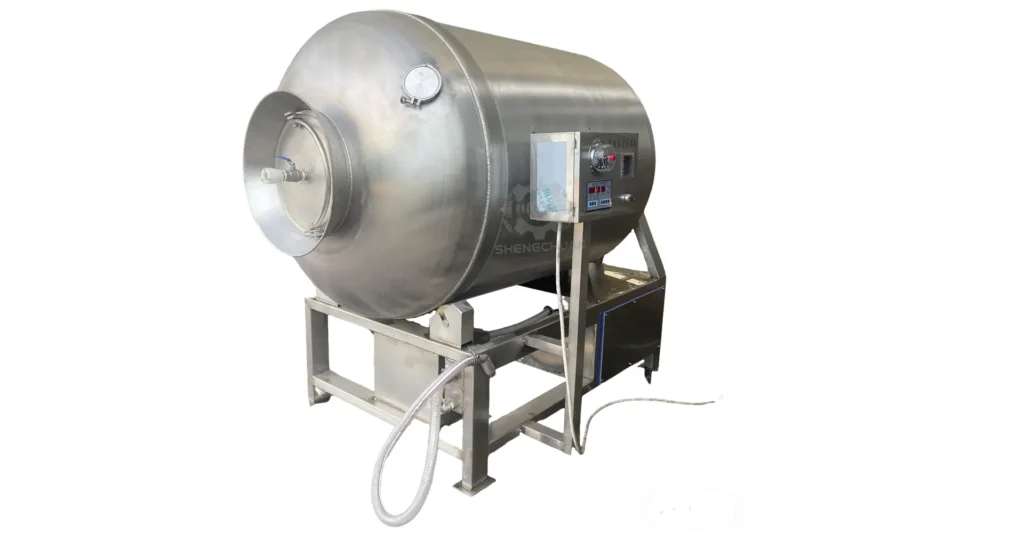
  • Test run the machine empty: check forward/reverse rotation, variable frequency speed, vacuum pump, sealing ring, and door lock for normal operation.
  • Verify vacuum pump oil level: keep oil at the standard level and replace if emulsified or dirty.
  • Clean and sanitize the drum interior, door, and discharge port to remove meat residues and impurities.
 

1.2 Raw Material Preparation

 
  • Thaw meat to 0–4°C, remove bones, tendons, and bruises.
  • Prepare marinade (brine, additives, seasonings) and fully dissolve it, keeping temperature low.
  • Set processing parameters according to product requirements.
 

2. Standard Operating Procedures


Step 1: Loading

 
  • Open the drum door, put meat and marinade into the drum.
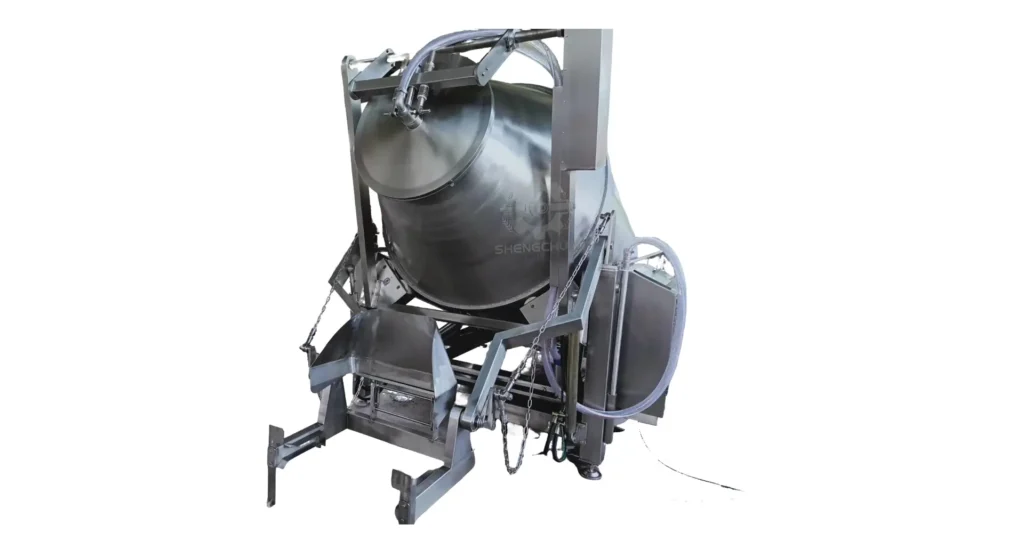
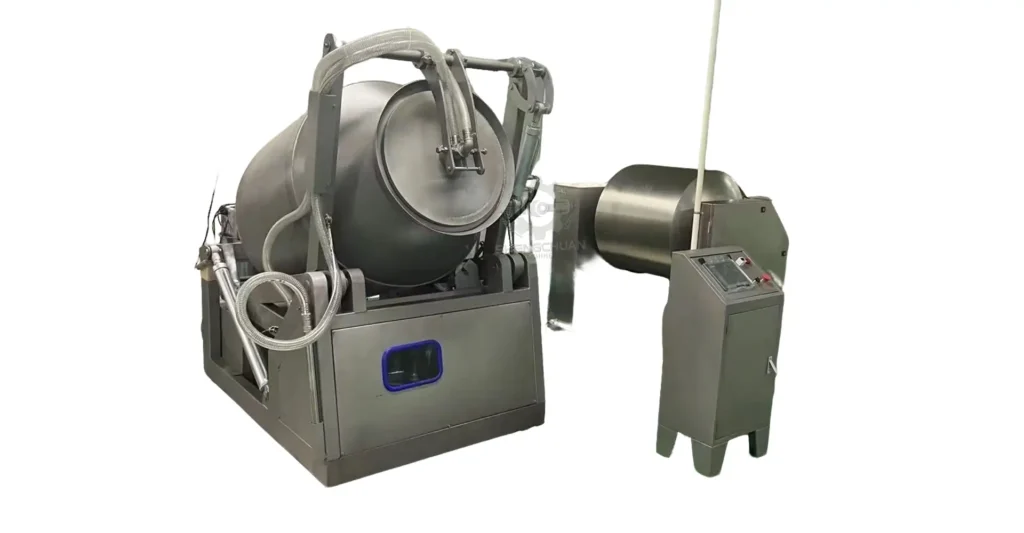
  • Do NOT overload: GR-1200 max load is 500kg (straight mouth) / 600kg (offset mouth).
  • Close and lock the door tightly to ensure airtightness.
 

Step 2: Setting Parameters and Starting

 
Set on the control panel:
 
  • Vacuum degree: -80 ~ -85 kPa
  • Tumbling speed: 4–11 rpm (variable frequency)
  • Cycle mode: forward rotation, pause, reverse rotation (e.g., 10min on / 5min off)
  • Total working time: 1–4 hours depending on products
 
Press start. The machine will first evacuate air, then run tumbling automatically.
 

Step 3: Monitoring During Operation

 
  • Observe stable vacuum, smooth rotation, normal current (around 10A), and no abnormal noise.
  • Do NOT open the door or reach into the drum while running.
  • In case of air leakage, abnormal sound, or power trip, press emergency stop immediately.
 

Step 4: Stopping and Unloading

 
  • After the program finishes, the machine stops automatically.
  • Open the vacuum release valve to restore normal pressure.
  • Unlock the door, run the drum in reverse to discharge marinated meat.
 

Step 5: Cleaning and Maintenance

 
  • Rinse the drum with warm water and food-grade detergent immediately after use.
  • Clean the seal, discharge port, and pipes; sanitize if needed.
  • Wipe the machine dry and check the vacuum pump and parts for damage.
 

3. Typical Processing Parameters

 
  • Ham / Bacon: 2–4 hours, 6–8 rpm, cycle 10min on / 5min off
  • Steak / Chicken Chop: 1–2 hours, 8–10 rpm, cycle 5min on / 3min off
  • Sausage meat: 1.5–3 hours, 4–6 rpm, continuous tumbling with intervals
 

4. Safety Rules

 
  • Only trained personnel can operate the machine.
  • Keep hands, hair, and loose clothing away from rotating parts.
  • Disconnect power before maintenance or cleaning.
  • Do not strike the drum or force open the door.
  • Maintain hygiene standards to avoid meat spoilage.
 

5. Common Troubleshooting

 
  • Low vacuum: damaged seal, air leakage, or faulty vacuum pump → replace seal or repair pump
  • Uneven marination: overloading, insufficient time → reduce load, extend time
  • Too much water loss: over-tumbling or high temperature → shorten time, keep meat cold
  • Vibration or noise: unbalanced loading, loose bolts → rearrange material, fasten base bolts
Automatic Vacuum Meat Tumbler
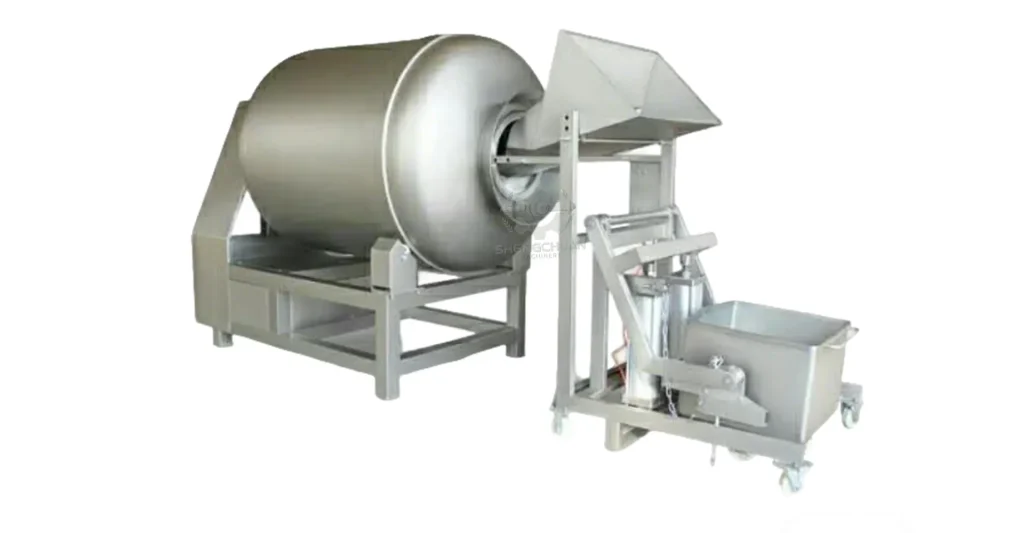
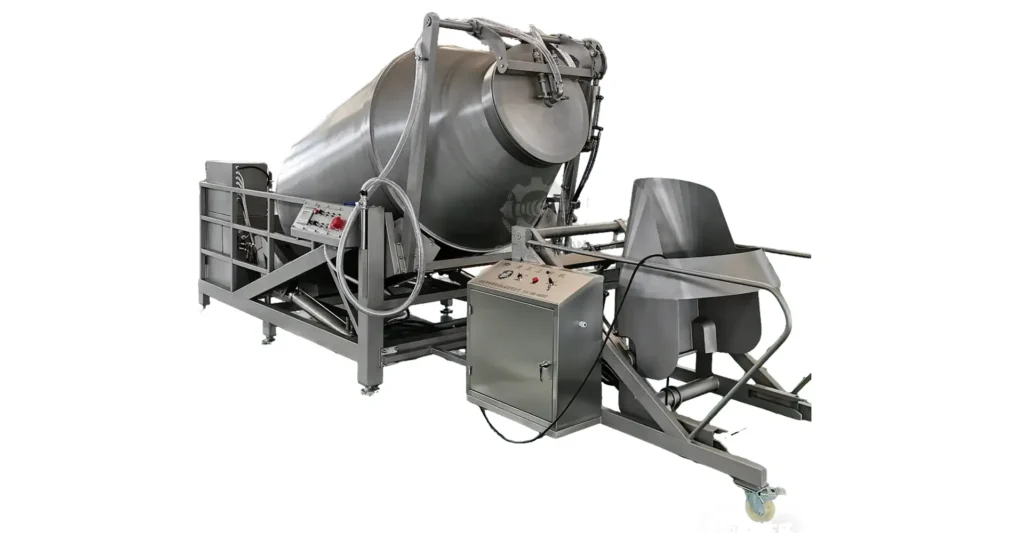
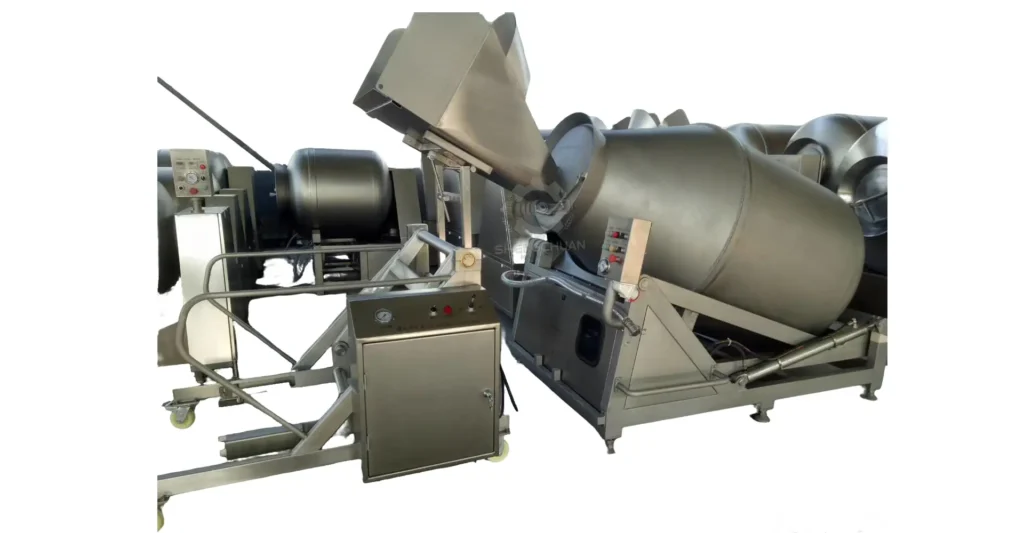
vacuum meat tumbler
vacuum tumbler machine
Vacuum Rolling and Kneading Machine
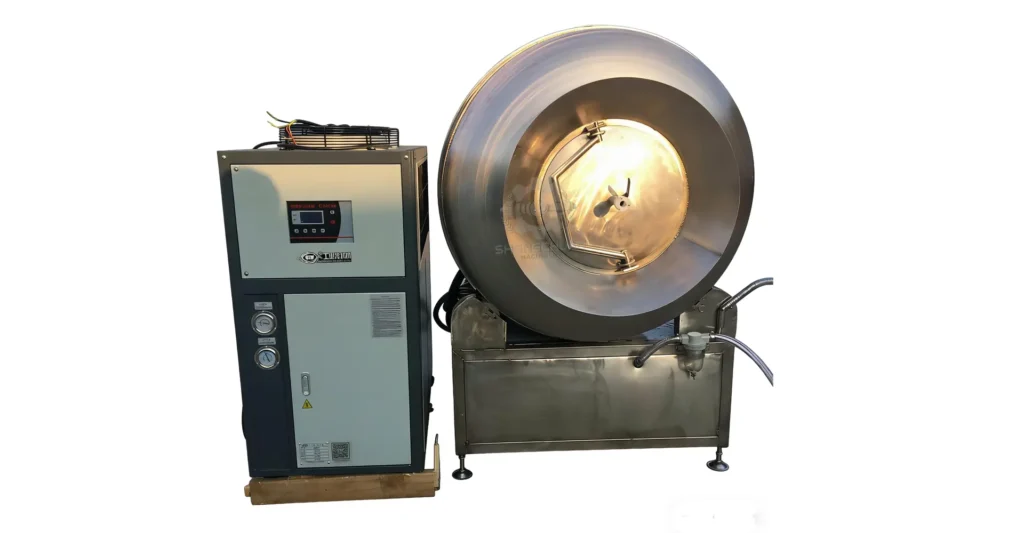
small vacuum meat tumbler
Vacuum Tumbler
marinade machine
Meat Vacuum Tumbling Machine
Vacuum Meat Pickling Machine
Vacuum Pickling Machine
 Vacuum Meat Marinator Machine
Stainless Steel Vacuum Tumbler
commercial meat tumbler
vacuum tumbler for meat processing
vacuum meat tumbler
Meat Marinating Vacuum Machine
Share the Post: